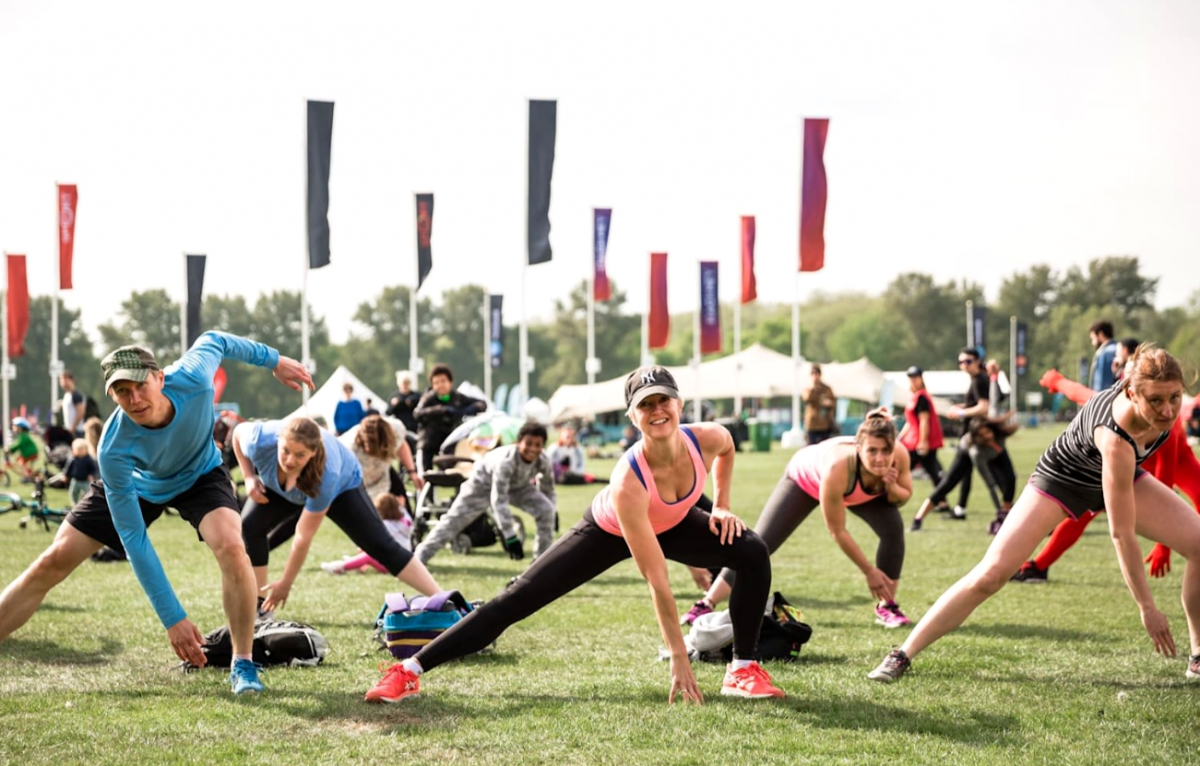
A sporting event may last only a few hours, but preparing it can take months. Long before the first whistle, organizers must secure a venue, establish competition procedures, recruit staff, coordinate participants, and prepare for disruptions. Even a weekend tournament requires careful decisions about scheduling, equipment, officiating, and safety.
Larger events bring additional logistical challenges. A local basketball tournament might use two courts and a small team of officials. A city marathon may require road closures, medical stations, traffic management, and cooperation with public authorities. International championships add broadcasting arrangements, accreditation, security, accommodation, and coordination between multiple organizations.
A delay in one area can quickly disrupt the rest of the event. A workable schedule is of little use if athletes cannot reach their competition areas on time. Likewise, a well-equipped venue cannot compensate for inadequate staffing or unsafe crowd movement.
Understanding how sports events are organized means examining both the decisions made beforehand and the systems that keep competitions running.
What Are Sports Events and What Types Are There?
Sports events are organized activities involving athletic competition, demonstrations, or recreational participation. Some determine winners through formal scoring systems, while others focus on physical activity, fundraising, or community involvement.
An event’s purpose shapes its organization. A regional championship needs consistent officiating, eligibility checks, and competitive fairness. A charity run may prioritize accessibility, participant support, and fundraising over competitive results.
Common types of sports events include:
- Professional competitions: Matches and tournaments involving professional athletes or teams, generally held within established leagues or governing structures.
- Amateur sports tournaments: Competitions for recreational players, local clubs, and independent teams, often organized over one or several days.
- School and university competitions: Athletic meets, interschool championships, and collegiate tournaments conducted under educational or athletic association rules.
- Community sporting events: Local races, recreational leagues, neighborhood tournaments, and activities intended to encourage participation.
- Mass-participation events: Marathons, recreational cycling events, open-entry races, triathlons, and similar activities involving large numbers of participants.
- International championships: Competitions involving athletes from multiple countries, requiring coordination among governing bodies, host organizations, and public authorities.
These categories overlap. A major road race may combine an elite competition with thousands of recreational runners. Both groups share the course, but their starting arrangements, eligibility requirements, and support needs may differ.
The sport itself determines how an event operates. Tennis tournaments require court assignments and systems for advancing players through the draw. Football competitions depend on pitch availability, team facilities, and recovery time. Athletics meets may run several disciplines simultaneously, each with separate officials and equipment.
Location introduces further differences. Indoor sports venues provide greater control over playing conditions but still require adequate capacity, ventilation, and emergency access. Outdoor events must account for weather, terrain, visibility, and temporary infrastructure.
Live sports events with spectators or broadcast coverage also require coordination between competition officials, venue staff, and production teams. These requirements influence scheduling, facility selection, and the overall event experience.
How to Plan a Sports Event Step by Step
Sports event planning begins with defining what the competition is intended to achieve. A tournament designed to determine a regional champion has different priorities from a recreational competition organized to encourage community participation.
Before committing to a venue or suppliers, organizers should establish the event’s purpose, competition format, target participants, anticipated attendance, and financial limits.
A practical planning process includes ten stages:
- Define the event concept. Identify the sport, competition level, participant categories, objectives, and intended audience.
- Estimate the scale. Determine the likely number of athletes, teams, officials, spectators, and supporting personnel.
- Prepare a working budget. Calculate expected expenses, potential revenue, and financial risks.
- Secure the venue and permissions. Confirm facility availability, suitability, access arrangements, and regulatory requirements.
- Develop competition procedures. Establish eligibility criteria, registration requirements, schedules, and officiating arrangements.
- Recruit staff and suppliers. Assign responsibilities and arrange equipment, medical coverage, and technical services.
- Prepare safety and contingency plans. Identify foreseeable hazards and establish emergency procedures.
- Promote the event and open registration. Publish accurate information and explain how participants can enter.
- Complete operational checks. Test essential systems, brief personnel, inspect facilities, and confirm the schedule.
- Deliver and evaluate the event. Oversee operations, document incidents, and assess results afterward.
These stages overlap. Registration numbers may force schedule changes, while venue restrictions can affect spectator capacity, equipment requirements, and staffing.
Larger sports competitions benefit from a master operations plan listing tasks, deadlines, responsible personnel, and dependencies. Venue contracts, permits, and major supplier agreements often need early attention. Volunteer assignments and final participant instructions can usually be completed closer to the event.
Budgeting, Sponsorship and Venue Selection
A realistic budget helps organizers make decisions before committing to major expenses. Sports event management involves costs extending well beyond venue rental and competition equipment.
Typical expenses include facility rental, officiating, staffing, insurance, medical services, security, transportation, communications, marketing, and administration.
Outdoor competitions may also require portable restrooms, fencing, tents, lighting, temporary power supplies, and waste collection. Cleaning or restoration charges can increase the final bill, depending on the venue agreement.
Separating fixed and variable costs makes financial planning more reliable. Venue rental may remain unchanged regardless of participation, while refreshments, medals, and registration materials become more expensive as entries increase.
Revenue may come from:
- Participant registration fees
- Ticket sales
- Sponsorship agreements
- Merchandise and concession arrangements
- Grants or institutional funding
- Broadcasting and commercial rights, where applicable
Projected income should not be treated as guaranteed funding. Sponsorship commitments should be documented, and ticket forecasts may differ substantially from actual sales.
Organizers should understand their break-even point: the revenue and funding needed to cover expected costs. A contingency reserve provides protection against unexpected expenses, with its size reflecting financial risks and contractual commitments.
Sponsorship involves more than displaying a company logo. Partners need a clear explanation of the event’s audience, promotional opportunities, and commercial benefits.
Agreements may include signage, digital promotion, naming rights, hospitality, or approved on-site activities. Exclusivity clauses and restrictions imposed by governing bodies or venue operators should be reviewed before contracts are signed.
Venue costs are only part of the decision. Facilities must satisfy the sport’s technical requirements while accommodating participants, spectators, and supporting operations.
Basketball tournaments need regulation-appropriate courts, safe playing surfaces, changing rooms, and adequate clearance around playing areas. Road races require suitable routes, traffic arrangements, and access for emergency vehicles.
Venue assessments should cover usable capacity, accessibility, transport connections, emergency exits, electrical supply, sanitation, and equipment storage.
Additional security, temporary structures, transport services, or equipment rental can make an apparently affordable venue considerably more expensive.
Scheduling, Registration and Event Logistics
Competition scheduling involves more than assigning start times. The tournament format determines the number of matches or heats, the event’s duration, and the resources required.
A single-elimination tournament with 16 entrants requires 15 matches to determine a winner, excluding any third-place playoff. If all 16 entrants play each other once in a single round-robin format, the schedule expands to 120 matches.
This difference affects facility availability, officiating costs, and the time participants spend at the event.
Organizers must also consider how many courts, pitches, or competition areas can operate simultaneously. Knockout tournaments introduce additional dependencies because later rounds cannot begin until the relevant earlier matches have finished.
Schedules should allow for warm-ups, equipment changes, breaks, and possible overruns. Some sports regulations specify minimum rest periods between matches. Even without formal requirements, adequate recovery time helps limit unnecessary fatigue.
Registration procedures establish eligibility, age divisions, competition categories, entry deadlines, documentation requirements, and fees. Organizers may also need to verify team rosters, memberships, qualifications, or parental consent.
Digital registration platforms can simplify recordkeeping, entry changes, and participant verification. Personal information must be collected and handled according to applicable privacy requirements.
Event logistics cover the movement of people, equipment, and services throughout the venue.
Participants need arrival instructions, check-in locations, changing facilities, warm-up access, and routes to competition areas. Staff require delivery schedules, storage arrangements, communication channels, and appropriate access permissions.
A detailed venue map can reveal congestion points. Separating athlete routes from public circulation is especially useful at crowded competitions.
A central system for announcing schedule changes and publishing results reduces confusion when matches are delayed, relocated, or rescheduled.
Essential Equipment and Staff for Sports Events
Equipment requirements differ by sport, but everything needed for competition must be available, functional, and appropriate for the event’s level.
Technical specifications should follow the relevant governing body’s regulations or the rules adopted for the competition.
Football matches require properly marked pitches, goals that meet competition specifications, match balls that satisfy applicable standards, and equipment for officials. Athletics competitions may need electronic timing systems, measuring devices, starting equipment, and discipline-specific implements. Swimming meets require suitable pool facilities, lane arrangements, and timing equipment.
Most events also need general operational equipment:
- Tables, chairs, barriers, and directional signage
- Public-address systems and communication devices
- Scoreboards, clocks, or electronic timing systems
- Registration and accreditation materials
- Medical supplies and designated first-aid facilities
- Lighting, electrical connections, and backup equipment where necessary
- Waste containers, cleaning supplies, and sanitation facilities
Technical checks should focus on systems whose failure could interrupt competition. Scoreboards, timing devices, microphones, radios, and electronic results systems need testing under actual venue conditions.
An inventory should identify which items belong to the venue, which are rented, and which must be supplied independently.
Equipment alone cannot keep a competition running. An event director or organizing committee typically oversees finances, preparation, and major operational decisions. Competition managers supervise schedules, results, officiating arrangements, and compliance with competition rules.
Referees, judges, timekeepers, and scorers administer the competitive process. Their qualifications should match the sport and competition level.
Additional personnel may include venue coordinators, medical professionals, security officers, registration assistants, technical operators, cleaners, and volunteers.
At larger competitions, sports event production teams handle announcements, video displays, ceremonies, lighting, and broadcast coordination.
Essential operations take priority when resources are limited. Qualified officiating, medical coverage, and safe venue management matter more than entertainment features.
Volunteers can assist with registration, directions, equipment movement, and spectator support. Specialist responsibilities should remain with appropriately trained or authorized personnel.
Every staff member needs a clear reporting structure. Contact lists, operational briefings, and escalation procedures help resolve problems quickly. Communication equipment should also be tested throughout the venue, including areas where radio reception may be unreliable.
Sports Event Safety and Risk Management
Sports event safety involves protecting athletes, spectators, workers, and anyone else affected by event operations.
Risk management starts by identifying foreseeable hazards, assessing their consequences, and deciding how those risks can be controlled.
Each sport brings its own safety concerns. Contact-sport tournaments require particular attention to injury response and medical coverage. Cycling races introduce collision hazards, road access concerns, and interactions with traffic. Outdoor endurance events may expose participants to heat, cold, lightning, or rapidly changing weather.
Crowd movement, temporary structures, electrical installations, and emergency access are important across many types of events.
A practical risk assessment records the hazard, who might be affected, existing precautions, additional controls, and the person responsible for implementing them.
Precautions must translate into specific actions. Assigning someone to monitor the weather is insufficient unless that person knows when to recommend delaying or stopping competition.
Outdoor events should establish monitoring responsibilities, criteria for suspending activities, evacuation locations, and communication procedures. These decisions must reflect the sport, venue conditions, and applicable regulations.
Medical coverage should account for participation numbers, injury risks, venue layout, governing-body requirements, and access to emergency services.
Depending on the event, arrangements may include first-aid personnel, qualified clinicians, ambulances, treatment areas, and emergency transport procedures.
An emergency action plan should explain how personnel respond to serious injuries, fires, severe weather, crowd incidents, and other disruptions.
It should identify emergency contacts, access routes, assembly points, communication responsibilities, and who has authority to suspend or cancel competition.
Safe occupancy limits must be respected, and emergency exits kept clear. Events involving children also need safeguarding procedures, appropriate supervision, and controls over restricted areas.
Insurance, permits, and legal obligations differ between jurisdictions. A venue’s existing insurance should not be assumed to cover every activity organized on its premises.
Before admitting participants or spectators, safety personnel should inspect playing areas, barriers, emergency routes, and public facilities. During competition, staff must continue monitoring conditions and responding to emerging hazards.
How to Promote a Sporting Event
Effective sports event marketing starts with understanding the intended audience.
A youth tournament primarily needs to attract schools, clubs, families, and community organizations. A professional exhibition match may depend more heavily on ticket buyers, regional media, sponsors, and established fan communities.
Promotional messages work best when they give the intended audience a clear reason to attend or participate.
Before launching a campaign, organizers should confirm the event’s name, date, location, competition format, registration or ticketing arrangements, and official contact details.
An event website or dedicated information page can serve as the central reference point. It should explain participation requirements, schedules, venue access, accessibility arrangements, and admission conditions.
Social media helps distribute announcements, particularly when clubs, athletes, and partner organizations share information with their existing audiences.
Confirmed participants, competition schedules, notable matchups, and practical attendance details give audiences reasons to follow the event. Repeated generic promotional posts rarely provide the same value.
Email communication can reach registered athletes, clubs, and previous participants, provided personal information is used lawfully.
Local newspapers, radio stations, community calendars, and sports associations may reach people who do not follow the organizer online.
For ticketed events, sales figures should be compared with venue capacity and staffing requirements. Registration trends at participation-based competitions can indicate whether additional outreach is necessary.
During the event, live results, photographs, and video highlights can reach people who cannot attend in person, provided the necessary media permissions are in place.
Afterward, organizers can publish results, acknowledge partners, and announce future editions. Consent and image rights require particular care when identifiable children appear in photographs or recordings.
Campaign performance should be measured through completed registrations, ticket sales, attendance, website traffic, and participant feedback rather than social media impressions alone.
Managing Spectators and the Event Experience
The spectator experience begins before visitors arrive at the venue.
People need to know how to reach the event, where to enter, what they may bring, and whether seating or accessibility arrangements require advance preparation.
Unclear directions and lengthy entrance queues can create problems before competition starts.
Venues should have clearly marked entrances, exits, restrooms, seating areas, and information points. Signage needs to be visible along the routes visitors actually use.
Ticketing arrangements should reflect expected arrival patterns. One entrance may be sufficient for a small local tournament but inadequate for a large crowd arriving shortly before the main event.
Accessibility must be considered throughout operational planning. This includes suitable routes, seating, restrooms, and arrangements for spectators with disabilities.
Managing a crowd means understanding how people move through the venue, not simply how many attend.
Entrances, concession stands, narrow corridors, and exits can become congestion points, particularly during breaks or immediately after competition.
Staff should know how to organize queues, provide directions, handle complaints, and recognize situations requiring security or medical assistance.
The competition remains the main attraction, but effective presentation makes it easier to follow.
Accurate scoreboards, understandable announcements, visible schedules, and timely results help spectators keep track of the action. At tournaments with simultaneous matches, central information displays or digital results services are particularly useful.
Food, drinking water, sanitation, and comfortable viewing arrangements also influence the experience, especially when spectators remain on-site for several hours.
Family-oriented events may need stroller access, child-friendly facilities, and procedures for helping separated family members.
Large competitions sometimes feature music, ceremonies, entertainment, or interactive activities between events. These additions should not interfere with warm-ups, officiating, or scheduled starts.
Broadcasting introduces another audience: people following the competition remotely.
Camera positions, commentary facilities, internet connectivity, and production schedules may require coordination with venue operations. Broadcasting rights and permissions should be settled before coverage begins.
Crowd management continues after the final whistle. Exit routes, public transport information, parking arrangements, and post-event pedestrian movement should be planned in advance.
After the event, organizers can compare actual attendance with forecasts, examine operational delays, review incidents and complaints, and assess spectator feedback.
A competition may finish on schedule while still exposing weaknesses in staffing, signage, or accessibility. Recording these problems gives organizers practical improvements to make before the next event.
FAQ
How far in advance should a sports event be planned?
Planning time depends on the event’s scale, venue requirements, and approval procedures. A small local tournament may be organized within several weeks if facilities and officials are available. Large competitions can require months or years, particularly when permits, infrastructure, sponsorship, and international participation are involved.
What is the most important part of sports event planning?
A realistic operational plan connects the budget, venue, competition schedule, staffing, and safety arrangements. No single element guarantees success. Clear responsibilities, workable deadlines, and contingency procedures help organizers coordinate these requirements.
How do sports event organizers manage unexpected delays?
Organizers allow flexibility in schedules and establish who can authorize changes. Depending on the circumstances, they may adjust start times, reassign facilities, postpone matches, or suspend competition. Safety-related decisions must follow the event’s emergency procedures and applicable regulations.
What determines the cost of organizing a sporting event?
Major cost factors include venue rental, event duration, participant numbers, staffing, equipment, insurance, medical coverage, and technical production. Outdoor events may also require temporary infrastructure and traffic management. Costs depend on operational requirements, not attendance alone.
How can organizers measure whether a sports event was successful?
Evaluation should reflect the event’s objectives. Competitive events may prioritize fair competition, schedule reliability, and participant satisfaction. Community events may focus on participation and accessibility, while commercial events also assess ticket revenue and sponsorship performance. Financial results, safety records, and feedback help identify areas for improvement.