Categories
Blog

The Local Rivalries That Keep Ugandan Football Alive

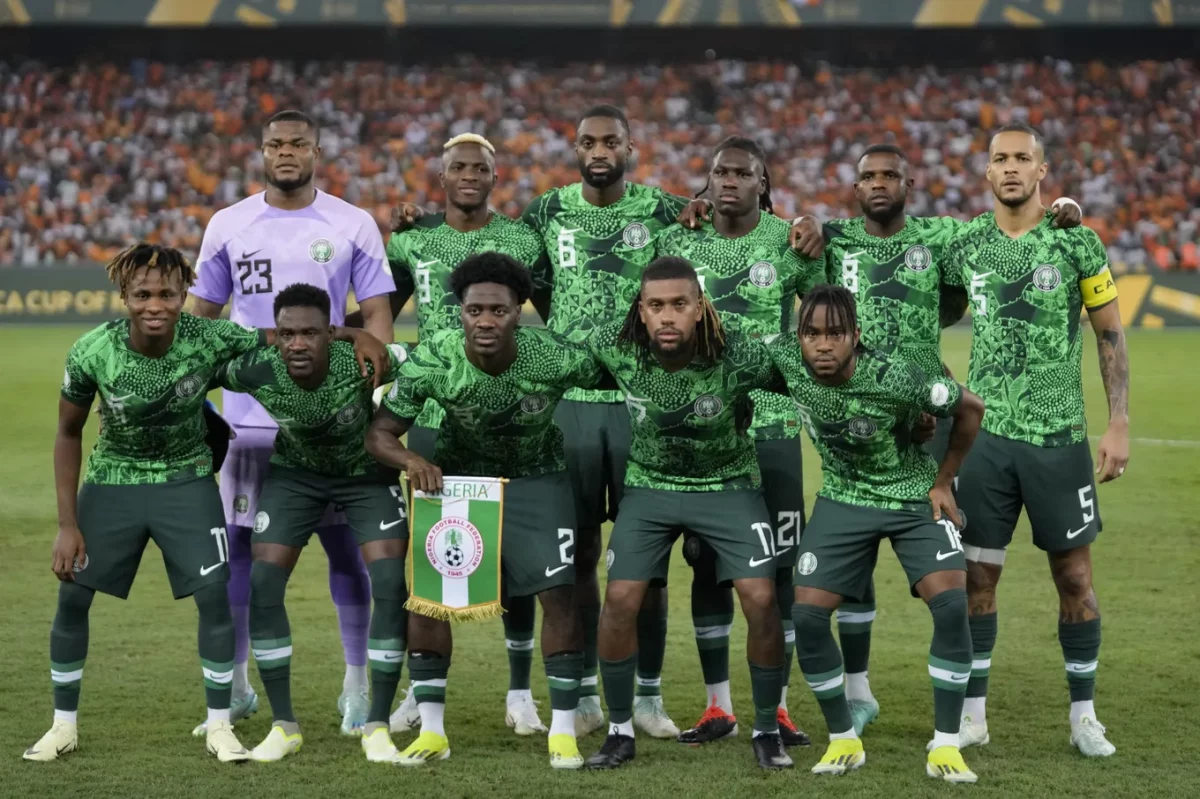
Уганда – Нигерия прогноз за 2,45 30 декабря 2025 года и ставки на матч Кубка африканских наций

Why derbies feel different

A local rivalry can give an ordinary league round the intensity of a final. In Uganda, derby matches are often shaped by shared history, nearby communities and years of remembered results. Players know that the fixture will be discussed long after it ends, while coaches understand that a calm tactical plan can matter more than trying to force a spectacular performance.

Someone comparing top betting companies in uganda around a derby should be especially careful not to confuse emotion with certainty. Rivalry games rarely follow the clean logic of league positions. A team in poor form can produce its best display because the occasion carries extra meaning, and an established favourite can become tense when the crowd expects an easy win.

Derbies feel different because they carry history into a single afternoon. Form still matters, but supporters also remember former players, disputed moments, neighbourhood pride and the result that changed the mood around a club months earlier. The people involved are players, coaches, supporter groups, families, security staff, local media and people whose first connection to a club came through a derby. In that setting, details such as the history between the teams, the importance of the fixture, player discipline, crowd management, early tactical caution and the response to a goal are not background noise; they shape the experience and reveal what needs attention. Looking at this layer adds useful context. It explains why two events with the same final score or placing can feel completely different, and why a well-run but quiet occasion can matter just as much as a dramatic one. Sport becomes more informative when those details are noticed. This early work is easy to miss, yet it often determines whether the event feels calm, accessible and worth repeating for a first-time visitor as well as for a committed participant.

The football inside the emotion

Derbies are usually decided by discipline. Early tackles, crowd noise and the fear of making a mistake can make players rush their decisions. The team that keeps its defensive shape, uses the ball patiently and avoids unnecessary fouls often gives itself the best chance. Set pieces matter even more because they offer a direct route to goal when open play becomes crowded.

The most useful signs are often subtle. Is one full-back being isolated? Is a midfielder struggling to receive with an opponent close behind? Has a forward begun to drop deeper because the team cannot reach him? These shifts can reveal the real balance of the match before the score changes.

The football inside a rivalry is often more cautious than the atmosphere suggests. Teams may defend compactly, avoid risky passes early and rely on set pieces because the cost of the first mistake feels larger than usual. Behind that visible activity sits a system: clear safety planning, responsible communication, fair officiating, visible club leadership and matchday arrangements that separate excitement from hostility. These elements may seem administrative, but they decide whether preparation is calm or rushed and whether a sporting space feels open to the people it is meant to serve. It is worth treating these practical arrangements as part of sporting standards. They make participation safer, lower the chance of avoidable disruption and allow the best qualities of the competition to become visible. The practical test is whether people can understand what is expected of them, prepare in good time and focus on the sporting task rather than on avoidable uncertainty.

Rivalry as a positive force

When managed well, rivalry can strengthen the league. It fills grounds, gives local media a strong story and pushes clubs to prepare properly. The key is to keep the occasion safe and respectful. Players, officials and spectators should be able to compete and celebrate without turning a football result into hostility outside the stadium.

That is also the healthiest way to take part as a supporter. Enjoy the songs, the tension and the history, but keep a clear limit around any betting activity. A derby is valuable because it brings a community’s sporting memory into one match; it does not need extra financial pressure to be meaningful.

A big local fixture can be a positive test of club organisation. Ticket information, arrival routes, stewarding and clear public messages all help the crowd focus on the match rather than uncertainty around the venue. A closer observer can use the history between the teams, the importance of the fixture, player discipline, crowd management, early tactical caution and the response to a goal as a guide, then compare what was planned with what unfolded. The same final result can have several causes, so it helps to watch where pressure appeared, who adapted and which small decision changed the balance. The aim is not to turn every viewer into a specialist. It is simply to replace vague reaction with a more curious, grounded understanding of what actually happened. Keeping a short record of these details from one event to the next is often enough to reveal a pattern that a single score, clip or headline would hide.

The responsibility around a big occasion

Clubs and organisers can make derby days safer by planning transport, entry, security and communication in advance. Players need a clear message about discipline, while spectators need to know what behaviour is expected. These measures do not reduce the atmosphere; they allow people to enjoy it without fear or confusion.

A great rivalry should leave both communities wanting the next meeting, whatever the score. When the final whistle is followed by respect, the game keeps its power to unite people around shared history and healthy competition.

Players set the tone. A hard contest can still be controlled when captains communicate well, coaches respect officials and both teams avoid treating a single incident as permission for disorder. This is where young supporters and players who need to learn that intense competition can still include respect for opponents and officials becomes important. Development works best when expectations are clear and the next opportunity is earned through learning, not through pressure to look finished too early. This long view benefits the whole community. It creates better players and athletes, but it also develops future coaches, officials, organisers and informed supporters who understand the work required behind performance. That is particularly important for young participants, who need feedback that explains what to practise next instead of a verdict that labels them too early.

A rivalry should leave a positive mark

The best derbies create stories that both sets of supporters can remember. They raise standards, fill grounds and make players feel the weight of representing their club. If the occasion is safe and respectful, the intensity becomes an asset for the league instead of a problem for the community.

Young people often learn club culture through these games. That makes it important to show that loyalty is compatible with acknowledging good football from the other side and accepting a difficult result without personal abuse. The lasting standard is straightforward: a rivalry should create memory, atmosphere and accountability without making anyone feel unsafe at a sporting event. That principle helps supporters, organisers and athletes decide which parts of the experience deserve investment and which habits should be changed. The point is not to make sport less emotional. It is to give that emotion a constructive place, so the energy around an event supports people rather than exhausting them. It gives everyone involved a useful decision rule: choose the action that protects participation, learning and respect after the noise of a single result has faded.

The memory after the final whistle

Derbies endure because people remember the feeling around them as much as the score. A well-contested match can become part of a club’s shared memory for years, especially when players show courage and supporters respond with passion that remains respectful.

A rivalry is most valuable when it keeps the local game alive across generations. It gives supporters a shared reference point, asks clubs to prepare seriously and leaves a story worth telling after the final whistle. In practical terms, players, coaches, supporter groups, families, security staff, local media and people whose first connection to a club came through a derby can use the information available to make better choices and set more realistic expectations. The detail is worth protecting because it connects one event to the next and gives a season or programme a sense of direction rather than a series of isolated moments. In this way, attention to the detail supports the wider structure and gives the next group of participants a clearer, more welcoming starting point.

A longer view of the subject

For that reason, the subject deserves more than occasional attention. It offers a way to see how individual effort, local organisation and public support meet in the same sporting space. When those elements are allowed to reinforce one another, the result is not just a better event but a stronger route for the people who will play, coach, organise and follow it next. For local football rivalries in Uganda, that is the practical meaning of sustained support.

Categories
Blog

Crafting Experiences: From Venue Design to Global Production

Every unforgettable performance starts long before the lights dim and the first note hits the air. Whether it’s building a venue from the ground up, coordinating an international TV shoot, or managing indie shows in legendary clubs, the magic is in the preparation — and in the people who make it happen.

Categories
Blog

Venue in Rapollo, Oakland

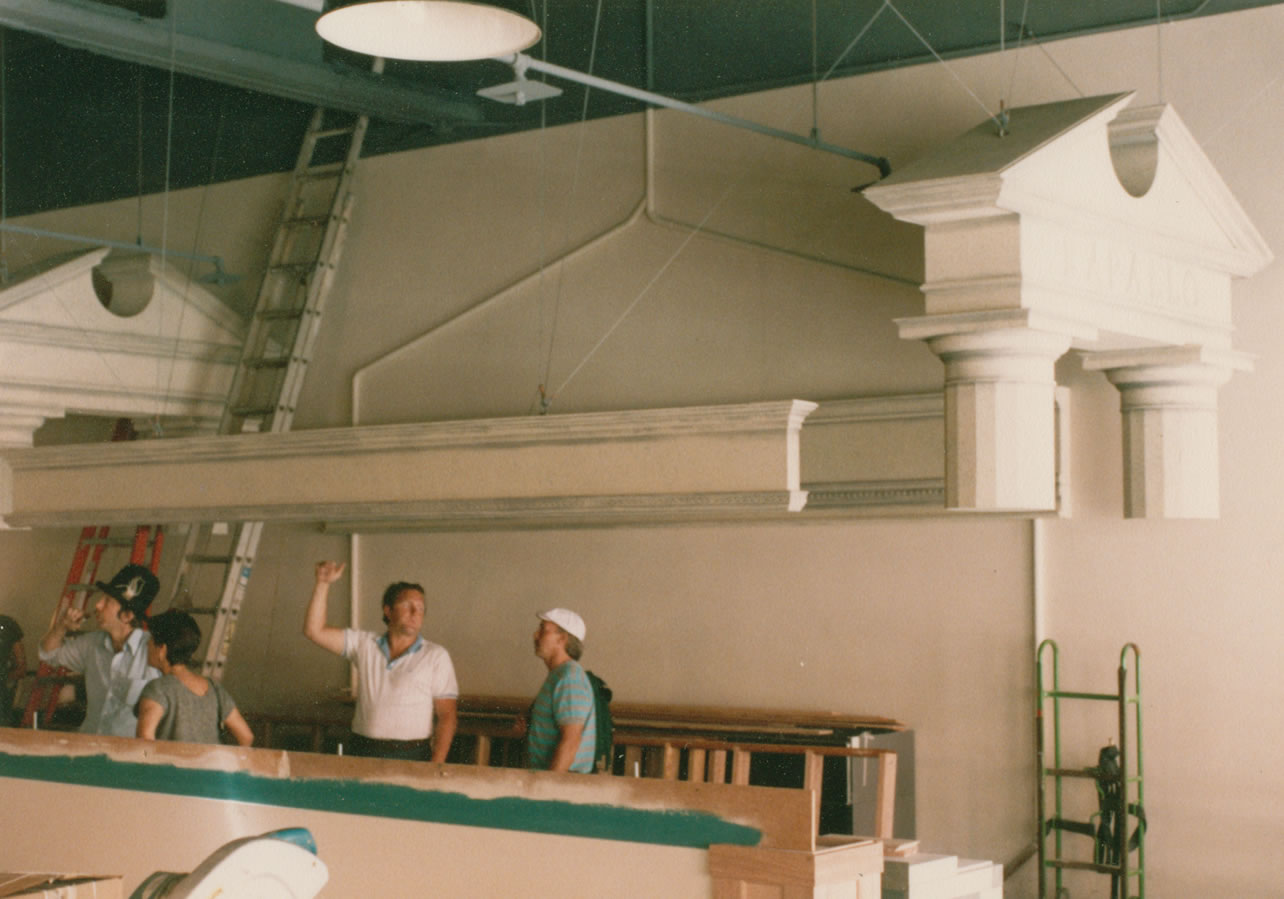
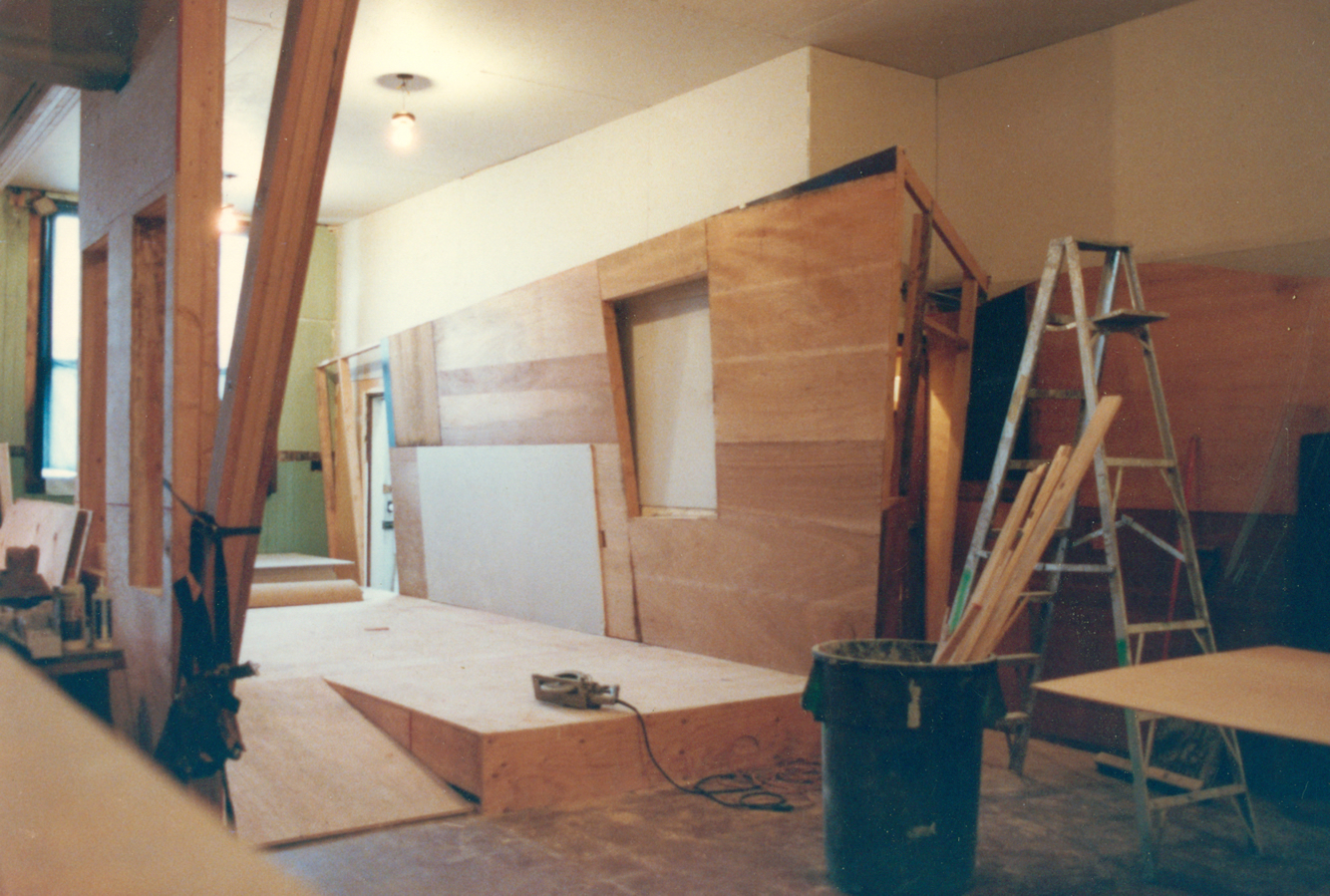
When people think of music venues, they often picture the stage, the lights, the crowd — but the bones of the building matter just as much. At Rapollo in Oakland, I had the unique opportunity to be involved not only in event coordination but also in shaping the very structure of the space during its architectural transformation.

Categories
Blog

Producing “UltraQuiz”

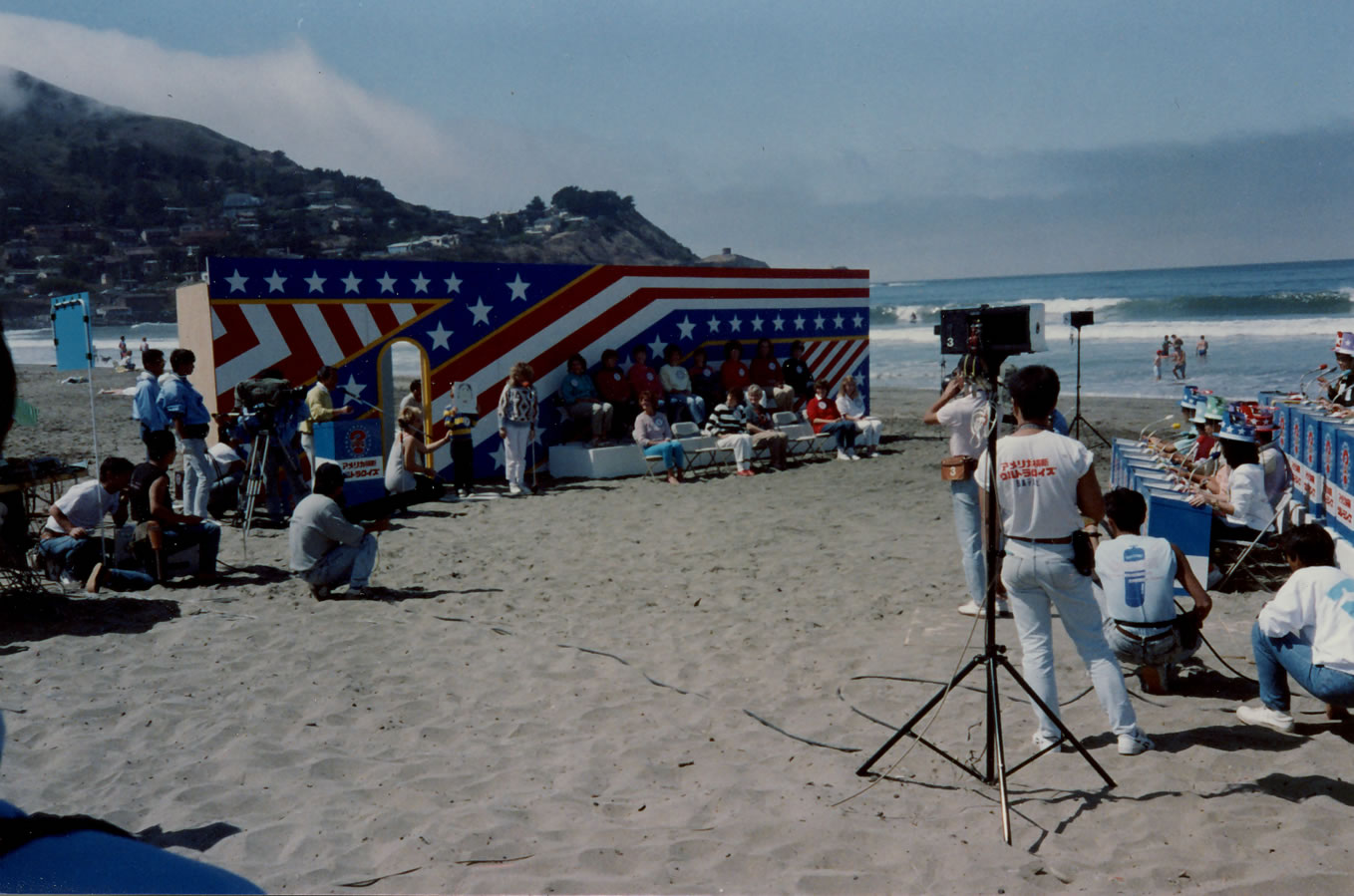
Much like how global bettors seek out top bookmakers for reliability and excitement, this show pushed the boundaries of international entertainment logistics and audience engagement. As a tour manager and international production coordinator, few projects have matched the scale and energy of working on “UltraQuiz”, Japan’s iconic quiz show that redefined what it meant to merge travel, competition, and television spectacle.

Categories
Blog

A San Francisco Staple

When it comes to legendary small venues with massive soul, Bottom of the Hill in San Francisco holds a special place in my heart — and on my resume. As a tour manager and show organizer, I’ve had the pleasure of booking and coordinating several performances at this iconic spot, and every night there feels like stepping into the heart of the indie music world.